A life filled with conviction will be a life that has considered the importance of its conclusion.
“There will I be buried.”
That’s not a common phrase in most conversations. I can honestly say I have never told anyone where I plan to be buried — whether at a party, following a church service or even as I’m driving by a cemetery with a car full of people. It’s not because I’m keeping a secret. It’s because I’ve never really thought about where I will be buried.
We do say things like, “I’m planning to go to school there” or “That’s the place I’m going to get married” or “That’s where I’m going to retire.” But not, “I’d like to be buried there.”
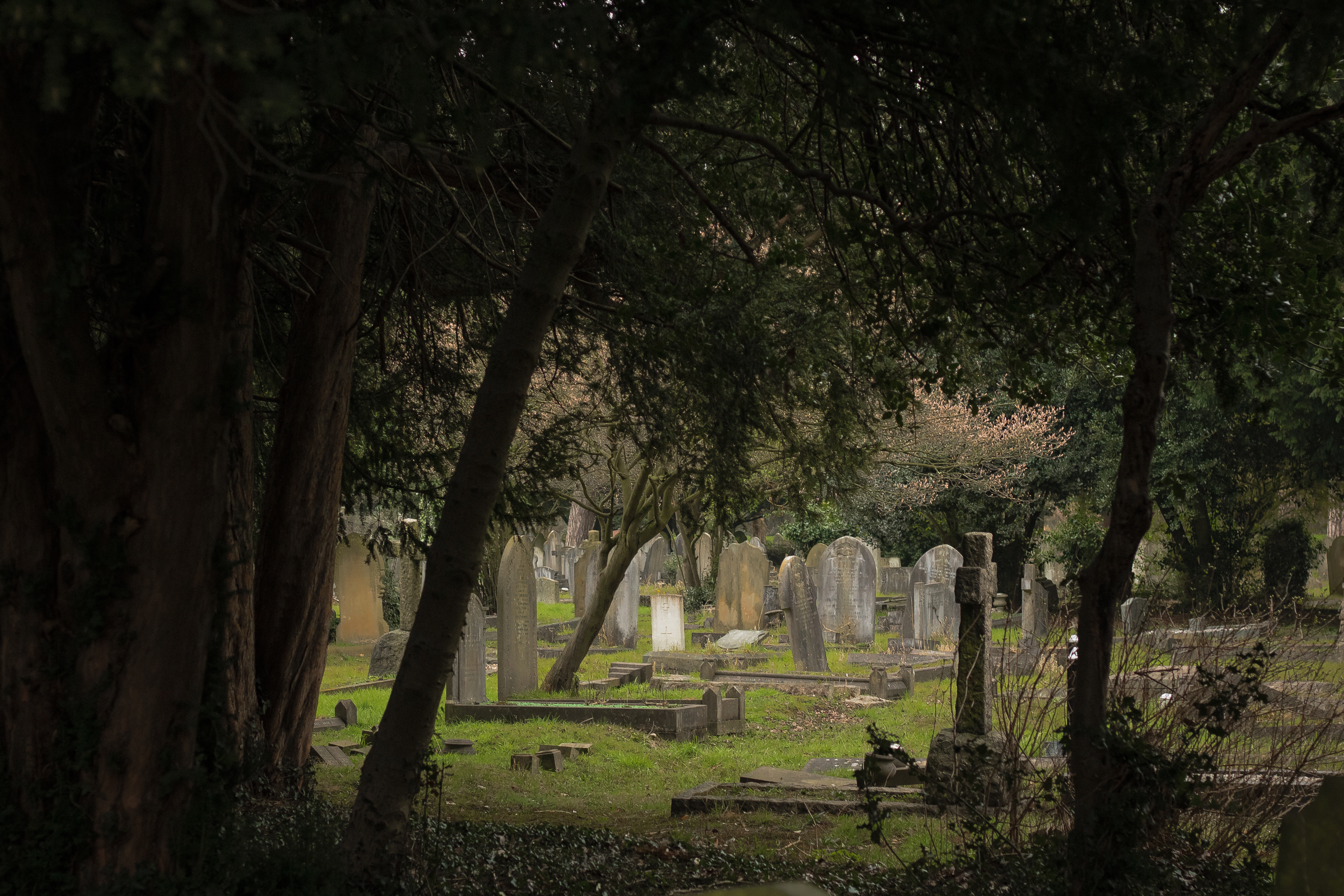
Don’t get me wrong. It’s not like we never talk about it. The conversation might come up at a graveside like it did for me just this morning. I had the opportunity to do a service for a woman who was buried in the same cemetery and the same plot of land as the generations who came before her. One of the woman’s daughters told me that her mother always wanted to be buried in that cemetery and had picked out the specific place we were standing for some time.
In the times of the Old Testament, where you were going to be buried was practically predetermined. It was where you were born and typically where the rest of your family was buried. And that makes what Ruth says to her bitter mother-in-law in the first chapter of the Book of Ruth that much more interesting. When Ruth commits to stay by Naomi’s side as she travels back to Israel, we see a promise of profound conviction.
The decision for Ruth, a Moabite woman, to go to an unknown land after losing her husband was probably a difficult one to make. Not only that, her mother-in-law, Naomi, is trapped in bitterness. I can’t imagine Ruth chose to go just for the excitement of a road trip. Naomi does not seem like the ideal traveling companion!
It certainly wasn’t a choice based on what was easy. But choosing what was easy wasn’t Ruth’s motivation and it becomes obvious when convenience loses out to conviction.
Ruth wants to go and Naomi cannot make her stay. She says, “Do not urge me to leave you or to return from following you. For where you go I will go, and where you lodge I will lodge. Your people shall be my people, and your God my God. Where you die I will die, and there will I be buried. …”
I’m not leaving you. You’re stuck with me. When you start walking I’ll be right behind you. In whatever hotel you stay along the way you can have the bed and I’ll take the floor. If you have people over for dinner in your new house, I’ll make the meal. Just make sure there is a seat for me at the table. And the God you talk about, the one who has provided for you in the past and the one you feel has been letting you down, I’ll be worshiping him with you for the rest of my days. Plus, the place you are taking me, because you will be taking me there, there will I be buried.
See, if someone said that to you, you’d probably think they were being a little too clingy AND a little morbid. What do you mean you’ll be buried there? That’s an awfully quick leap! How about we just decide where we’ll be lodging tomorrow night?
But Ruth is a picture of conviction. In a book that seems to highlight the contrast of emptiness and fullness with examples of famine and harvest, death and life, departure and arrival, Ruth’s blessing of companionship is the contrast to Naomi’s bitterness. She is determined to balance the emptiness of Naomi with the fullness of relationship. Her exclamation point to her promise is that she is willing to be buried in Bethlehem.
In our mobile society and western mindset, this might not seem like a big deal. But for Ruth to say she will buried away from home is quite a statement. It was a big deal.
Ruth’s burial promise is profound in a sense that she knows what she wants the end to look like. We might not say, “That’s where I’ll be buried,” but we do want to say, “That’s where I want to land,” don’t we? When the final paragraph is written and the last chapter is closed, we want certain things to be true of us.
It’s not just that Ruth tells Naomi she wants to be buried in Bethlehem, she describes the life she’s going to live before she gets to the grave. A life of conviction and relationship. A life of fullness and trust.
Can you say with confidence, “That’s where I want to land?”
Can you live with conviction in such a way that will make that landing spot a reality?
Are you in a place where you can make that claim and live with the conviction needed to see it through?
There will I be buried.
 Jason Martin
Leave a comment